
This twice-weekly online group is a chance for queer and/or trans neurodivergent adults to come together for understanding and support. We meet Tuesdays and Thursdays at 11am. This group includes support, group process, and skills.

Common topics:
- neurodivergent stress (e.g. autism, ADHD, AuDHD)
- queer and trans resilience and joy
- masking and unmasking
- avoiding and recovering from burnout
- resourcing, stimming
- identifying and accommodating neuroqueer needs
- ableism and disability justice
- family of origin difficulties
- healthy boundaries and healthy relationships
- self-understanding and self-acceptance
- racism, anti-racism, and antioppression frameworks
- mindfulness
What is a process group?
In a process group, we study and talk about our experience of ourselves and each other, and of what is happening in the group. This creates a special environment for experiential learning and psychological growth.
What is a support group?
In a support group, members come together over shared problems. In this group, the shared problems are queer, trans, and neurodivergent minority stress.
In this group, we talk about shared experiences of privilege and oppression for identities we share (queer, trans, neurodivergent), as well as identities we don’t share (for example, this mixed race group sometimes talks about racism). By discussing privilege and oppression, we generate the possibility to develop discourses of empowerment, strategy, and recentering.
Members also get support for experiences that are not shared with other members, in the form of understanding, compassion, and acceptance.
This group offers a combination of group process and support.
What else does this group offer?
We sometimes work on skills, especially mindfulness and other skills drawn from Radically Queer DBT. That said, explicit skills practice is maybe 5-10% of group time.
Who is this group for?
Queer and/or trans neurodivergent adults who want a regular prosocial therapeutic group space. In this group, we give and receive support, and provide relational feedback that helps members grow emotionally and interpersonally.
It is not a good fit for people experiencing homelessness, active suicidality (e.g. who currently have suicidal plans or recent attempts), or other kinds of mental health crisis, because it is not designed for that level of support.
Members must be Oregon residents and be in Oregon during group meetings.
When does this group meet?
Tuesdays and Thursdays at 11am Pacific time, online via Zoom.
What is the fee?
- The full fee for this group is $90 per session.
- I accept CareOregon/Healthshare, PacificSource Commercial, Jackson Care Connect, and Columbia-Pacific insurance plans.
- If you have another insurance plan that features out-of-network coverage, I can provide you with a superbill to seek reimbursement.
- I offer a limited number of reduced fee slots for clients paying out of pocket.
Who is the group leader?
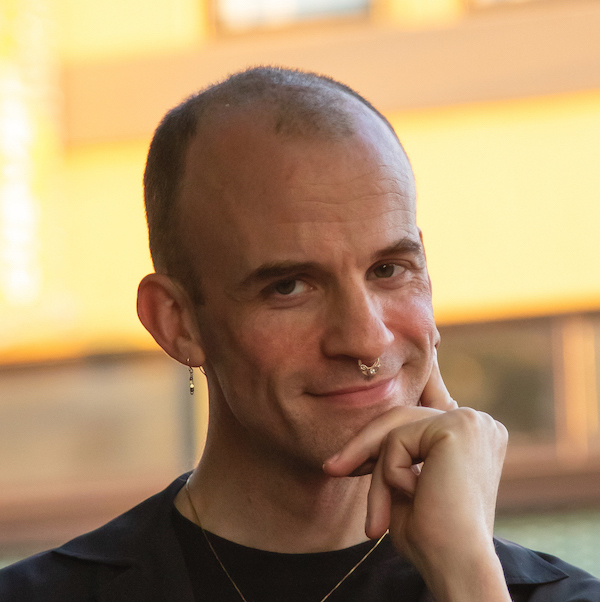
I’m Sasha Strong, a queer non-binary genderfluid transfem autistic therapist (PhD, LPC, they/them, she/her). I have a passion for group therapy and have been facilitating therapy groups since 2012. I have also presented nationally on queer and neurodivergent-affirming group therapy and have published academic articles and book chapters on non-binary/genderqueer competency and neuroaffirming therapy.
I love group work because groups are a living laboratory for exploring relationships and our connections to ourselves and others. They also provide an opportunity to have new experiences of being in community and to talk about our thoughts and feelings in the present moment with interested others.
In terms of this group, my theoretical influences include interpersonal group therapy, developmental social justice skills, queer theory, non-binary/genderqueer cultural competency, and neuroaffirming frameworks.
How can I find out more?
Drop me a line! We can set up a time to talk more about the group and see if it’s a good fit for what you’re looking for. 😉

