Good Grief Autism Support Group

This weekly group is a professionally facilitated intentional space to discuss grief (and joy) about Autism with other autistic adults. 

  • Are you an autistic adult looking for support with the grief that often accompanies being Autistic?
  • Do you like/need/want to talk about feelings and make new life meanings in a neuroaffirming space?
  • Are you looking for a consistent space where you get to be you, and make affirming connections with others who get it?

If so, (you may wish to) join us! 😉

Whether you are a late-identified autistic adult, or you were diagnosed earlier in life, you may be looking for a space to talk about grief around your past, present, and future. U.S. society does a poor job of working with grief, and Autistic needs are misunderstood and neglected in many social spaces. This community support group will be an opportunity to come together and talk about autistic grief with others who get it.

a black-and-white photo of a dead rose

The Deets

  • A community support group around Autistic grief (and joy!)
  • Tuesdays, 7-9pm
  • meets weekly for 10 weeks
  • in SE Portland, Oregon
  • for adults 18+
  • for 6-10 people
  • $20-$40 per session

Why Talk About Autistic Grief?

There are many websites about how Autistic people grieve ‘conventional’ losses, but very little information about how people grieve the fact of their autism. To be clear- there is a lot to appreciate and enjoy about being Autistic, and autistic pride is a real and necessary thing. However, there are also years af missed opportunities, misunderstood pain, and present and future obstacles that create sorrow and grief in our lives. Rather than struggling alone, let’s come together in community to give and receive strength, understanding, and support.

Autistic grief is a complicated phenomenon that is too hard to untie alone. The intent of this group is to get good company on our unique individual journeys, and to come together for mutual support and understanding.

two adults and two children holding hands in a line, walking down a road together
OK, this is a group for adults— but this image is adorable, and damn if I don’t have one (or more) autistic children inside!

A Community Group, Not a Clinical Group

This community support group is professionally facilitated, but it is not a clinical group. That means that it is not eligible for insurance coverage. The group is open to self-identified and diagnosed individuals alike.

Anti-Oppressive Values Alignment

This group is a neuroaffirming, queer- and trans-affirming, anti-ableist, anti-racist space. While we don’t have to be perfect and we all have a lot to learn, this group is organized around anti-oppressive values.

About the Facilitator

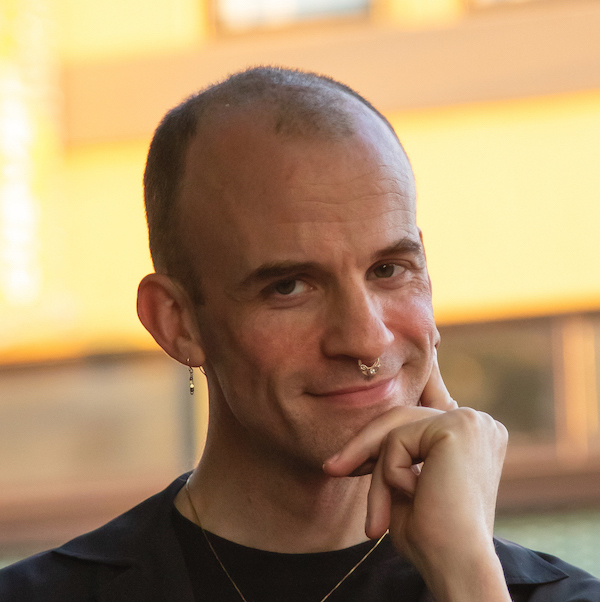
I am a late-identified autistic, queer, trans, and non-binary white person. I self-identified as autistic a few years ago at age 42. I have made a lot of strides in my self-understanding, but I recognize my own need for a community space for intentional conversations about autism and oppression… and there’s next to nothing out there about autistic grief AFAICT. So I’m creating the group I want to see in the world, and calling out to the other people who want to be in it.

I’m also a psychotherapist, and for better or for worse, that’s a big part of my identity. I’m a Certified Group Psychotherapist and an experienced group facilitator. I’ve run trans- and neuroaffirming groups for years and have offered trainings on queer, trans, and neuroaffirming group therapy.

For fun, I like to write songs, sing, play piano, and make art. I also like walking, hiking, and talking about feelings.

a dozen butterflies hanging out on brown soil near flowers and water

How to Join

If you’re interested in joining this group, please reach out or fill in the interest form. (If you email me, I will probably ask you to fill out the interest form, but if you want to drop me a line first, feel free. 😉) I will schedule individual meetings with potential new members to make sure it’s a good fit for what people are looking for.

Fee

The fee for this group is $20-$40 per weekly session. I ask folks to agree to pay for all sessions in the series, even if they aren’t able to attend them all. This holds your place in the group. By default, folks will pay weekly via credit or debit card. Cash or check are also possible.

I charge a fee to pay rent and as compensation for my advanced training and labor in organizing and facilitating groups.

FAQ

In anticipation of the kinds of questions autistic people are likely to ask… hypothetically… 😉

What will we talk about during group? Probably things like grief around autism, feelings, neuronormativity, Autistic ‘origin stories,’ how to find community, dealing with sensory issues, navigating workplace difficulties, special interests, etc.

You really think that will take two hours? I chose two hours to be generous. I usually run 90-minute weekly groups, but I have a feeling that a longer hang will be beneficial and more spacious. (If we decide that’s too long, we can always pare it down.)

I’m interested, but that time won’t work for me. (I guess this is a statement rather than a question.) Feel free to fill in the interest form and indicate other times that work better for you. Tuesday nights is when I’m going to run this upcoming group, but I’m open to other options in the future.

What are the social rules for this group? In our first meeting, we will develop a list of group norms based on a generally-helpful prepared list that I have developed over the years. The norms are open to ongoing revision based on consensus in the group. As the facilitator, I may sometimes step in to redirect conversation or suggest additional followup. I am happy to clarify my reasons for doing so upon request.

What is the structure for the group? Often, during the first few sessions, we may do a round of check-ins at the start of group so everyone has a chance to speak. Then, we may elicit topics from the group, or I might provide some suggestions. As autistic grief is the focal phenomenon for this group, most of the topics will probably touch on that. For the first few sessions, we will probably do brief check-outs at the end of the night. As people grow more comfortable with each other, the need for this kind of explicit group structure tends to drop away.

What should I expect? We try to share the talking time and connect with others on an interpersonal and emotional level. However, we try to do it in a way that is within people’s window of tolerance. You may always refrain from sharing if that is your wish. Apart that, please come prepared to participate in and experience a respectful, friendly, low-pressure neuroaffirming space.

What is the built environment like? My office is on the third floor of a building not too far from Laurelhurst Park. There is a bus line nearby and there is usually ample parking in the neighborhood. There are some bike hitchin’ posts out front.

The building has an elevator and is nominally wheelchair accessible, although it’s a bit of a mixed bag. (If you use a wheelchair or other mobility device, let’s talk about your needs during the screening call.) There are gender-neutral restrooms on the third floor, and gender binary restrooms on the second floor.

The office itself can comfortably accommodate a group of 10 people sitting in a circle on chairs and on the sofa. My office has warm, dim lighting. The lobby and hallways have overhead LED lighting that is dimmable, but has a pretty cool color temperature. I recommend hats & sunglasses if that’s your jam.

The temperature control is… pretty good. (The building has central HVAC, but it’s finicky, esp. in the shoulder season and during heat waves.) We bring in fans and cooling towers to supplement the AC in the warmer months. There’s also a space heater if needed.

When will this group start? Once we have 6-10 people who are ready to meet— probably in May 2026.

Why do you keep changing your capitalization of autistic/Autistic? Ah, my detail-oriented reader! It is because some people like it one way, and others another. I’m ambivalent about it, myself. 😉